
Publications

IFRS Now Mandatory in Nigeria: Join Our Webinar to Stay Compliant, Competitive, and Credible

The Nigerian government has made its stance clear: IFRS S1 and S2 sustainability reporting is no longer optional. With the Financial Reporting Council (FRC) aligning Nigeria’s corporate reporting landscape with global expectations, companies are now required to adopt the International Sustainability Standards Board (ISSB) framework as the new baseline for sustainability disclosures. This is not…

read more
612 408 webauthor

Sustainability 101: What Is Sustainability?

Let’s be honest, the word sustainability is everywhere. It’s on corporate flyers, Social media bios, and school projects. But ask the average Nigerian youth what it means, and the answer is usually, "Isn’t it about saving the planet?" Well, yes, and no. Sustainability isn’t just about hugging trees or banning plastic bags. It’s a real-life…

read more
1000 563 webauthor

What Does Justice Look Like in a Sustainable Nigeria?

Imagine a set of weighing scales; the kind that symbolises justice around the world. One side is burdened with gold, cement, oil barrels, and progress reports. The other holds people’s voices, displaced villages, polluted rivers, and forgotten dreams. The scales are tilted; not because justice is broken, but because the weight of profit has long…

read more
1000 684 webauthor

Our Power, Our Planet: A Journey Toward Environmental Justice Begins at Home

Imagine standing by the banks of the once-vibrant Ogun River, its waters now littered with waste and coated in oil residue. The birds that once danced across its surface have retreated. The fishermen no longer rise at dawn, nets in hand. What used to be a community’s lifeline has become a cautionary tale. This is…

read more
720 514 webauthor

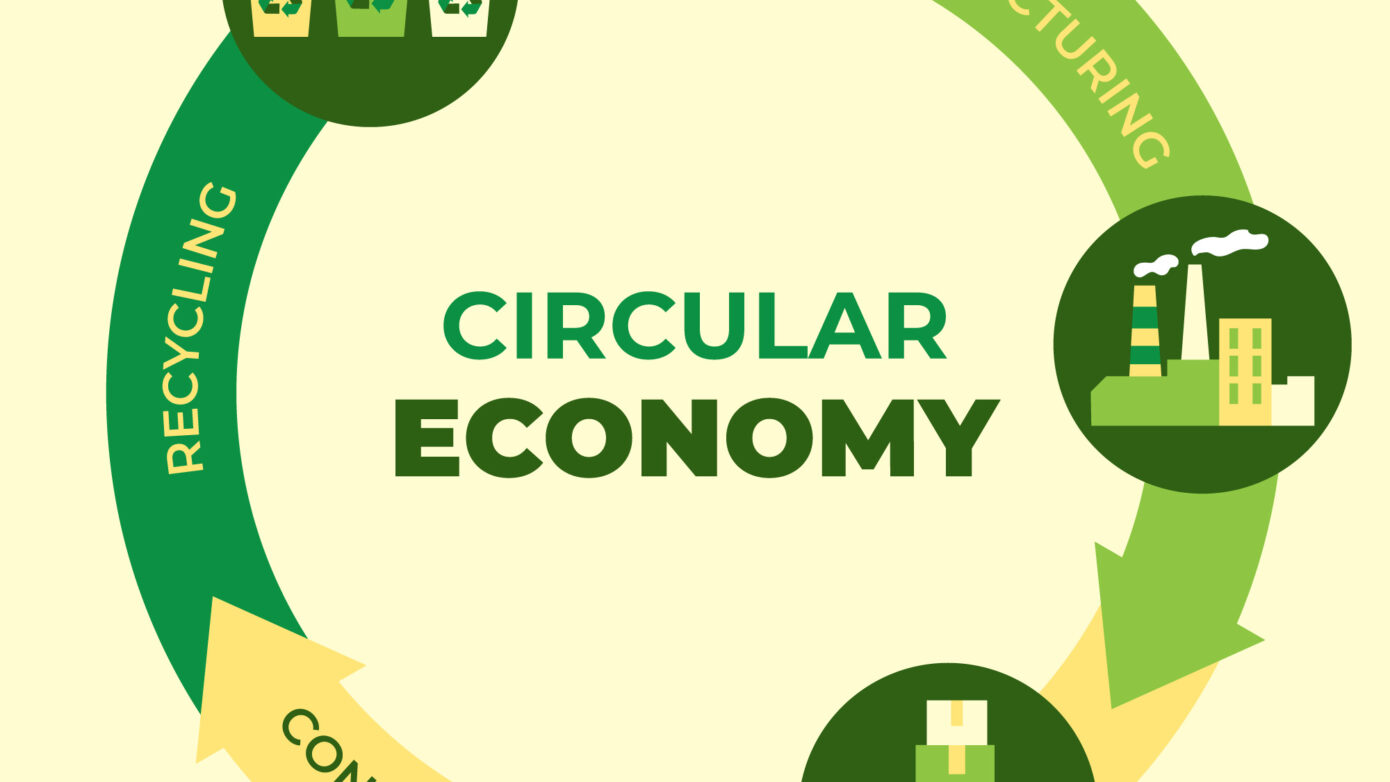
Why the Circular Economy is the Future And Nigeria’s Not Ready

  We cannot solve our problems with the same thinking we used when we created them. — Albert Einstein The linear economic model, extract, produce, use, and dispose, has long dominated global development. But as the world grapples with the consequences of unsustainable production, climate breakdown, and growing resource scarcity, a shift towards the circular…

read more
2000 2000 webauthor

GRI Reporting: ‘In Accordance With’ vs ‘With Reference To’ — Why the Difference Matters

In recent years, sustainability reporting has become more than a box-ticking exercise. It is now a fundamental aspect of strategic communication, investor confidence, and long-term corporate resilience. For organisations across Africa, particularly in Nigeria, the shift from opaque operations to transparent, stakeholder-driven reporting is gaining momentum. However, as more organisations adopt the Global Reporting Initiative…

read more
562 507 webauthor

TSA/Remita Dispute: Due Process or Media Trial?

Beyond Allegations: Safeguarding Nigeria’s Institutional and Technological Resilience The renewed allegations against Remita which underpins Nigeria's Treasury Single Account (TSA) necessitate a thoughtful reflection based on foundational principles on oversight functions and fairness. Even though legislative oversight functions as a fundamental component of democratic accountability, it requires guidance through due process principles and factual accuracy…

read more
2170 2170 webauthor

CSR as a Pulley for Progress: Rethinking Education as a Corporate Responsibility in Nigeria

In the middle years of secondary school, many Nigerian students are introduced to the mechanics of a pulley system—an elegant configuration of wheels and ropes that redistributes force to lift heavy loads with less effort. It is a simple yet powerful concept, and perhaps one of the most apt analogies for what Corporate Social Responsibility…

read more
906 597 webauthor

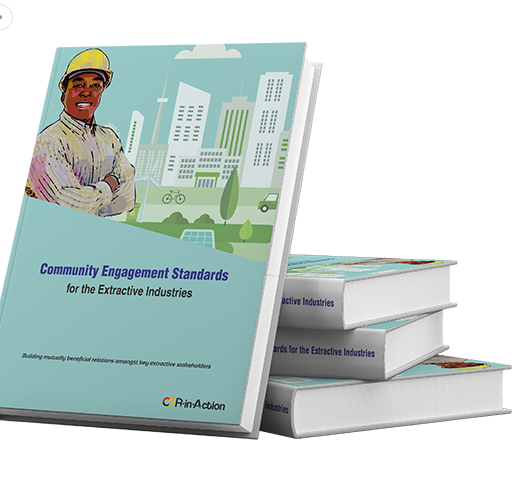
Building Stronger Communities: Why the Community Engagement Standards (CES) Matter More Than Ever

For too long, the narrative of development in Nigeria—particularly in extractive regions—has been dictated from the top down. Government agencies approve projects. Corporations roll them out. And communities? Too often, they are reduced to passive recipients, expected to accept whatever comes their way. But true development cannot—and should not—work this way. Communities are not just…

read more
519 498 webauthor

IFRS S1 & S2 and the Future of ESG Disclosure in Emerging Markets

In recent years, conversations around sustainability have evolved from idealistic vision statements to urgent boardroom priorities. At the heart of this evolution is the increasing demand for transparency, accountability, and decision-useful data that can guide investors, regulators, and the public alike. As the global business landscape shifts, sustainability reporting is no longer a “nice to…

read more
1999 1100 webauthor

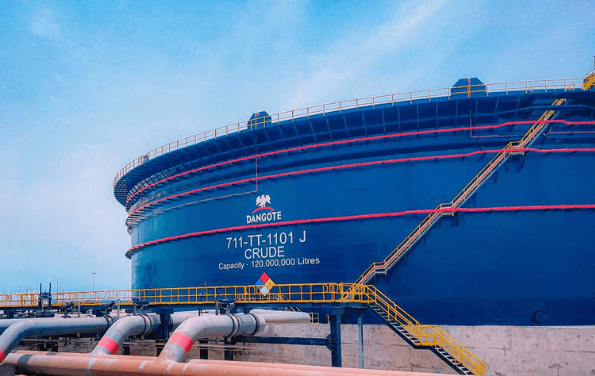
Dangote’s Dollar Dilemma: A Critical Look at Nigeria’s Energy Vulnerabilities

Nigeria, despite being Africa’s largest crude oil producer, finds itself in a paradox it cannot afford to ignore. Once again, headlines are dominated by another disruption in the country’s fragile energy ecosystem—this time, triggered by Dangote Petroleum Refinery’s decision to suspend petrol sales in naira. While the move may be temporary, its significance is anything…

read more
595 376 webauthor

The Energy Transition Dilemma: Can Nigeria Balance Oil Dependence with Renewable Energy Ambitions?

Nigeria Energy Transition Plan $200 Million Renewable Mini-Grid Project – Initiative to provide clean electricity to rural areas through solar-powered mini-grids. World Economic Forum: Tackling Barriers to Nigeria’s Green Energy Transition Financing Barriers in Nigeria’s Energy Transition – The country needs $10 billion annually for renewable energy development. World Bank: Solar Mini-Grids as a Solution…

read more
150 150 webauthor

    Start Typing
    Privacy Preferences

    When you visit our website, it may store information through your browser from specific services, usually in the form of cookies. Here you can change your Privacy preferences. It is worth noting that blocking some types of cookies may impact your experience on our website and the services we are able to offer.

    For performance and security reasons we use Cloudflare
    required
    Click to enable/disable Google Analytics tracking code.
    Click to enable/disable Google Fonts.
    Click to enable/disable Google Maps.
    Click to enable/disable video embeds.
    Our website uses cookies, mainly from 3rd party services. Define your Privacy Preferences and/or agree to our use of cookies.