


For too long, the narrative of development in Nigeria—particularly in extractive regions—has been dictated from the top down. Government agencies approve projects. Corporations roll them out. And communities? Too often, they are reduced to passive recipients, expected to accept whatever comes their way. But true development cannot—and should not—work this way.
Communities are not just beneficiaries of progress. They are critical stakeholders whose lived realities, local knowledge, and cultural context shape the success or failure of any development initiative. When communities are excluded from the planning and implementation process, the result is often mistrust, conflict, and unsustainable outcomes. But when they are meaningfully engaged, progress becomes more equitable, enduring, and transformative.
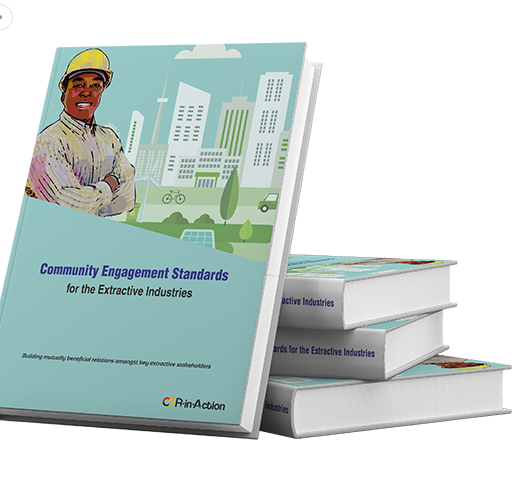
That is the fundamental premise behind the Community Engagement Standards (CES)—a homegrown solution with far-reaching potential.
A Framework Born from Urgency
In 2018, amidst increasing unrest and economic losses in Nigeria’s oil-producing regions, CSR-in-Action was commissioned by the Federal Ministry of Petroleum Resources—with support from the Facility for Oil Sector Transparency and Reforms (FOSTER)—to conduct research into new models for community engagement in the extractive sector.
The findings were clear: historical approaches to engagement were ineffective, transactional, and deeply asymmetrical. Host communities, burdened by environmental degradation and economic exclusion, were responding with protests, resistance, and sometimes sabotage. Companies, unable to manage community relations, faced vandalism, oil theft, and reputational damage. The nation lost billions annually in production disruptions.
From this research emerged the Community Engagement Standards (CES)—a pioneering framework adopted by the Nigerian government in 2019 to formalise fair, inclusive, and sustainable engagement between companies and communities.
What Makes CES Different?
The CES is not just another policy. It is a paradigm shift in how development is negotiated, delivered, and monitored.
Unlike traditional corporate social responsibility models, the CES redefines the terms of engagement by requiring companies to:
- Engage communities from the start—before projects are implemented, not after.
- Practice transparency and accountability—by disclosing plans, budgets, and timelines.
- Deliver tangible benefits—from job creation to infrastructure and social investments.
- Establish two-way dialogue mechanisms—where community concerns are actively addressed.
- Track and report impacts regularly—creating a culture of shared responsibility.
By mandating that host communities become co-owners of development, the CES helps de-escalate tension and build lasting partnerships. It ensures that engagement is not performative, but participatory. And it strengthens the social license to operate, which is increasingly becoming as critical as legal permits in global ESG conversations.
CSR-in-Action’s Role in Driving Adoption
As the architect of the CES, CSR-in-Action remains at the forefront of its implementation and mainstreaming. We continue to work with companies, communities, and regulators to move the standards from paper to practice.
Through training, capacity-building sessions, strategic consulting, and stakeholder dialogue facilitation, we help both sides understand their rights, responsibilities, and the long-term value of collaboration. We also advocate for regulatory enforcement, so that compliance is not left to goodwill, but becomes part of core operational integrity.
Rewriting the Narrative of Development
The Community Engagement Standards are not a silver bullet—but they offer a powerful blueprint for a new way forward. A way that restores dignity to communities, builds trust between stakeholders, and makes development a shared journey.
However, the success of CES depends on collective commitment. Companies must move beyond extractive mindsets and treat community engagement as a strategic investment. Governments must institutionalise the standards through stronger enforcement mechanisms. Civil society must amplify local voices and monitor compliance. And communities themselves must step into their agency—not as protestors, but as partners.
CSR-in-Action remains dedicated to ensuring that the CES is not just a standard, but a movement—one that transforms how we define progress in Nigeria and across Africa.